Montana is custom-built for road trips. Known as "Big Sky Country," the state stretches across 147,000 square miles of towering mountain ranges, sprawling prairie, pristine…
Montana is custom-built for road trips. Known as "Big Sky Country," the state stretches across 147,000 square miles of towering mountain ranges, sprawling prairie, pristine glacial lakes, and river valleys that seem to carry on endlessly. Traveling Montana in an RV offers an unmatched blend of freedom and comfort, allowing you to wake up next to turquoise alpine lakes or under a canopy of stars deep in national forest lands.
Whether you are navigating a compact camper van, a travel trailer, or a full-sized Class A motorhome, planning the right route is crucial. Montana’s vast distances and dramatic topography demand a clear understanding of mountain passes, vehicle length restrictions, and seasonal road conditions. Here is a guide to the best RV routes, top destinations, and practical tips for taking on the Treasure State.
Iconic RV Routes in Montana
1. The Northern Loop: US-2 and Glacier’s Perimeter
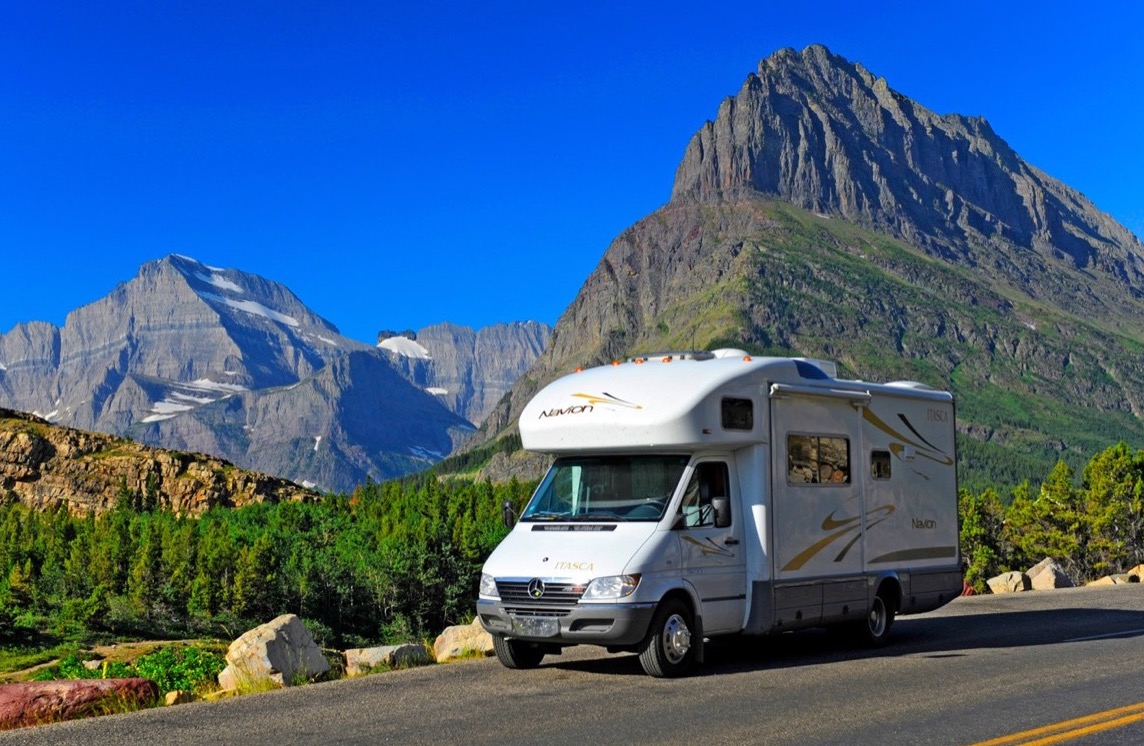
While the famous Going-to-the-Sun Road cuts through the heart of Glacier National Park, strict vehicle size limits (vehicles over 21 feet long or 8 feet wide are prohibited) mean most RVers cannot drive the interior mountain pass. Instead, the ultimate RV route is the perimeter loop using US Highway 2 and US Highway 89.
Starting near Kalispell or Whitefish, head east on US-2, tracing the southern boundary of Glacier National Park. This smooth, wide, paved two-lane highway follows the Middle Fork of the Flathead River, passing through dense pine forests and mountain corridors. You’ll skirt past West Glacier, Essex, and over Marias Pass before connecting with US-89 on the East Side near Browning and St. Mary. This loop gives you easy access to both the west and east entrances of Glacier while remaining fully navigable for rigs of any size.
2. The Beartooth Highway (US-212)
Described by news anchor Charles Kuralt as "the most beautiful drive in America," the Beartooth Highway spans 68 miles between Red Lodge, Montana, and the northeast entrance of Yellowstone National Park at Cooke City. Rising to an elevation of 10,947 feet at Beartooth Pass, this drive delivers dramatic views of alpine tundra, glacial lakes, and towering granite peaks.
RV Considerations: This route is not for the faint of heart. It features steep grades (up to 7%), tight switchbacks, and sheer drop-offs without guardrails in some sections. While Class B and smaller Class C motorhomes handle the route comfortably, drivers of large Class A rigs or heavy fifth-wheels should exercise caution, ensure their brakes are in top condition, and check weather conditions even in mid-summer.
3. Paradise Valley and the Yellowstone River (US-89 South)
For a gentler, immensely scenic highway, US-89 through Paradise Valley connects Livingston to Gardiner, the northern entrance to Yellowstone National Park. Bounded by the Absaroka Range to the east and the Gallatin Range to the west, this 53-mile stretch parallels the Yellowstone River.
The road is wide, flat, and extremely well-maintained, making it ideal for RVers of all experience levels. Along the route, you’ll find numerous turnouts, fishing access sites, and hot springs resorts that accommodate large motorhomes.
4. The Bitterroot Valley Corridor (US-93)
Running north-south along Montana’s western border from Missoula to Lost Trail Pass, US-93 cuts through the scenic Bitterroot Valley. Flanked by the dramatic Bitterroot Mountains to the west and the gentler Sapphires to the east, this route passes through charming historic towns like Hamilton and Victor. It offers straightforward driving with easy access to river sites, hiking trails, and national forest campgrounds.
Must-Visit Montana RV Destinations
Glacier National Park and Flathead Lake
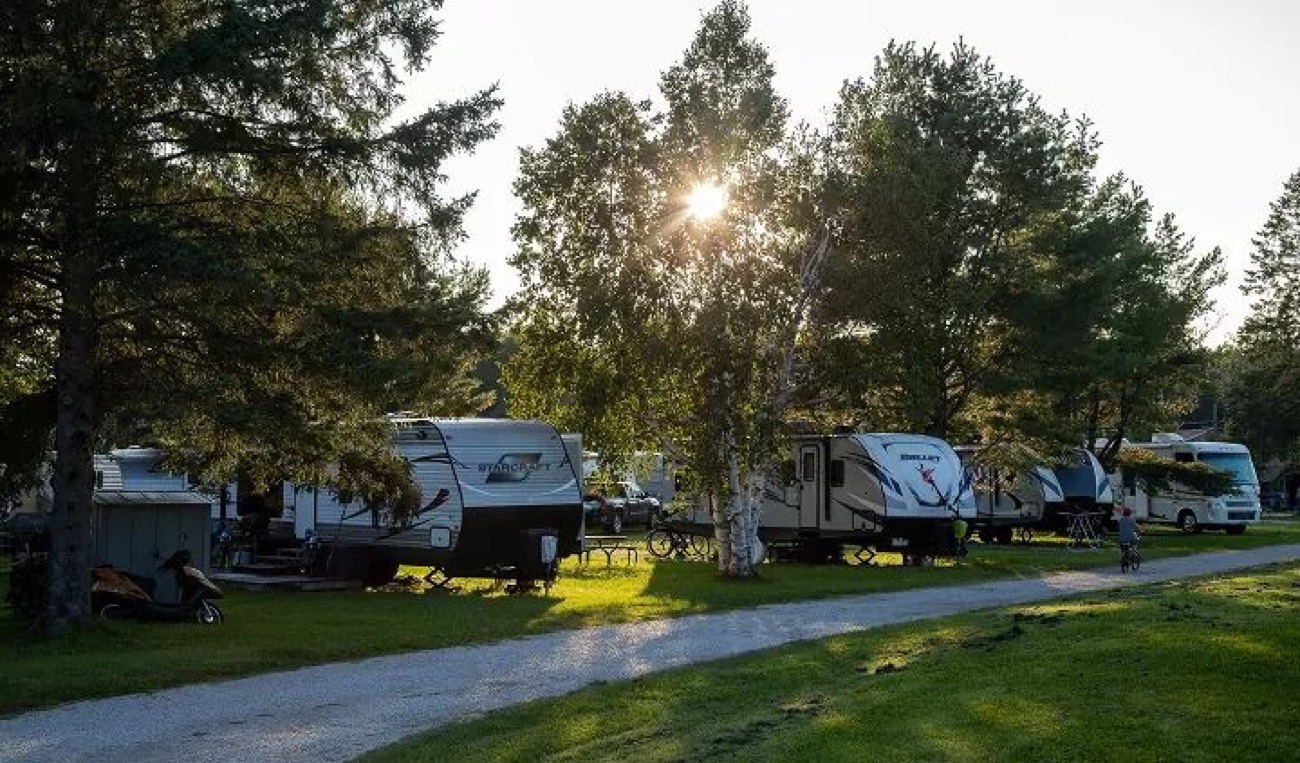
Glacier National Park remains the crown jewel of northern Montana. Base your rig at one of the full-hookup RV parks in West Glacier or Coram, or reserve a spot at St. Mary Campground on the eastern boundary. Just south of the park lies Flathead Lake, the largest natural freshwater lake west of the Mississippi. Camping along the shores of Flathead Lake in towns like Polson or Bigfork gives you direct access to kayaking, cherry orchards, and lakefront views.
Yellowstone North & West Entrances
Montana hosts two primary gateways to Yellowstone National Park: West Yellowstone and Gardiner. West Yellowstone is a bustling hub packed with private RV resorts featuring full hookups, Wi-Fi, and laundry amenities. It serves as a prime base camp for exploring the park’s geyser basins. Gardiner, situated at the North Entrance beneath the historic Roosevelt Arch, offers a wilder setting where bison and elk frequently roam right through town and nearby campgrounds.
Makoshika State Park
Located near Glendive in eastern Montana, Makoshika is Montana’s largest state park. Its badland formations contain fossil remains of Tyrannosaurus rex and Triceratops. While western Montana gets most of the mountain glory, Makoshika provides a striking landscape of pine-capped coulees, canyon vistas, and dark night skies. The park offers campsites suitable for RVs, though larger rigs should check length limits on specific loops.
Bighorn Canyon National Recreation Area
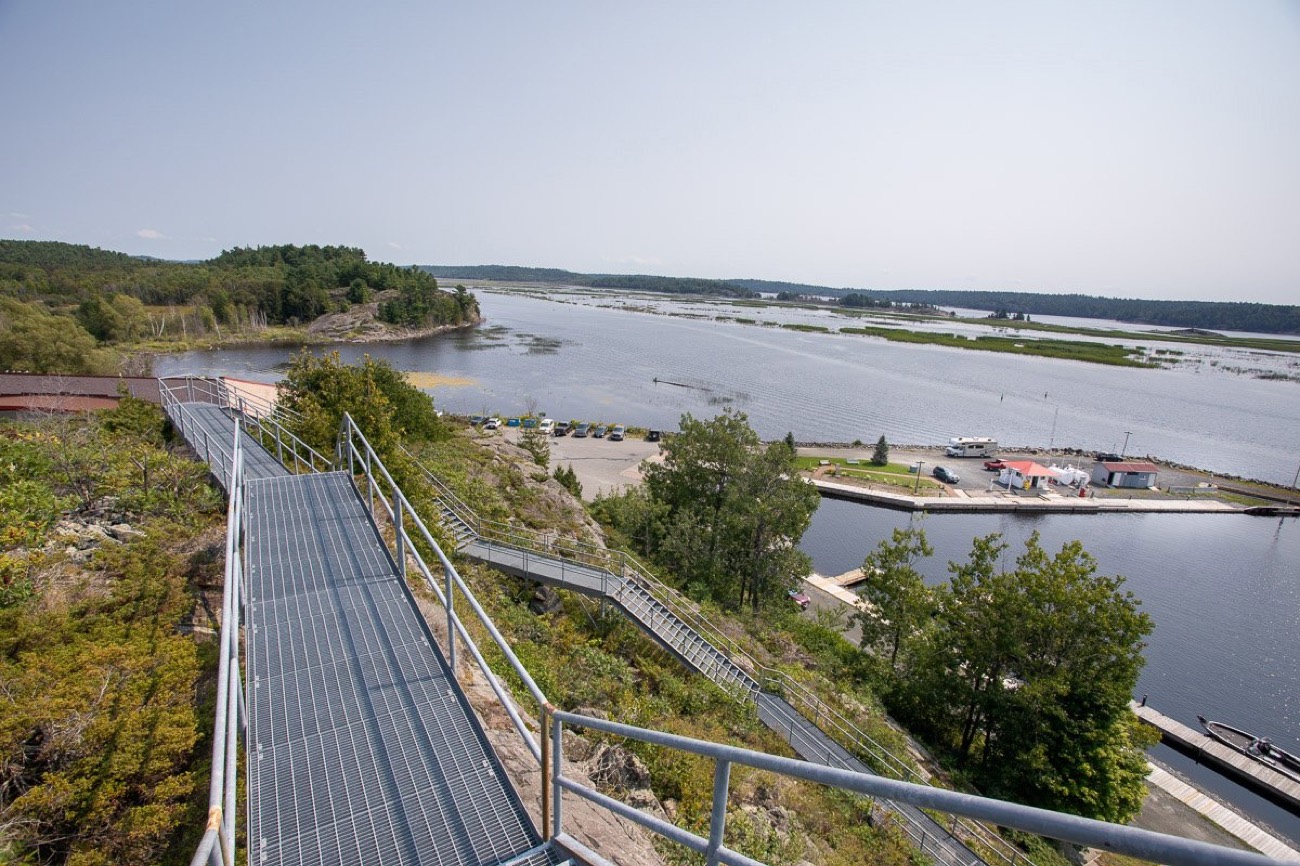
Straddling the Montana-Wyoming border near Fort Smith, Bighorn Canyon features sheer cliff walls rising 1,000 feet above the Bighorn Lake. It is an overlooked gem for RVers seeking quiet, dramatic landscapes away from the heavy crowds of the national parks. Ok-A-Beh Marina offers boat launch facilities, and nearby public campgrounds offer quiet nights under big skies.
Essential Tips for RVing in Montana
- Book Well in Advance: Campground reservations for Glacier and Yellowstone regions often fill up 6 to 12 months ahead. If you prefer spontaneous travel, look toward Bureau of Land Management (BLM) lands and US Forest Service campgrounds, though these typically lack hookups.
- Respect Mountain Passes: Montana’s terrain demands respect. Always downshift on steep descents to save your brakes, monitor transmission temperatures on long climbs, and keep an eye on wind warnings, especially when driving light travel trailers across eastern Montana plains or high passes.
- Prepare for Rapid Weather Shifts: It is not uncommon to experience 80°F sunshine and a freezing snow shower within the same 24-hour period in June or September. Keep extra propane, insulated water hoses, and warm layers on hand regardless of the season.
- Practice Wildlife Safety: Grizzly and black bears inhabit large portions of Montana. Always maintain a clean campsite, lock food inside your hard-sided RV, and keep bear spray easily accessible when stepping outside.
Driving an RV through Montana provides an unforgettable way to experience the American West. By choosing the right routes for your vehicle and planning ahead for seasonal quirks, you can sit back and enjoy the open road under Big Sky Country.
Before you buy or go: specs, prices and road conditions change. Confirm with the manufacturer or dealer, check your tow and payload ratings, and check road status before heading out.